
Milia Removal in Islamabad: Is Laser Ablation the Best Option?
Milia are harmless white bumps that home picking rarely clears. Here is what they actually are, the safe ways to remove them, and whether laser ablation is the best choice.
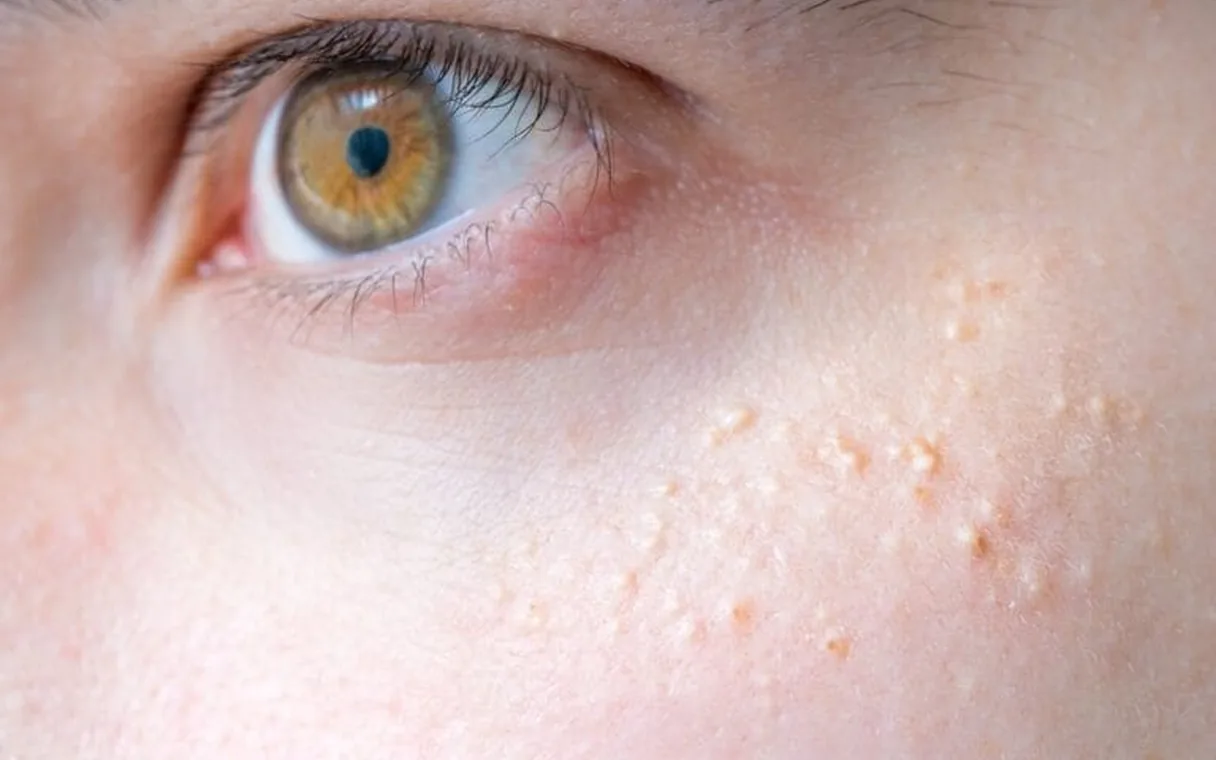
- Milia are tiny, harmless keratin cysts, most common around the eyes, cheeks, and forehead.
- They are not acne, not contagious, and squeezing them at home tends to make things worse.
- Safe removal is by sterile needle extraction, electrocautery, or laser, all doctor-led.
- Most areas heal within five to ten days, and gentle exfoliation helps prevent new milia.
Milia are those stubborn little white bumps that appear most often around the eyes and on the cheeks. They are harmless, but they sit deep enough that home picking rarely works and often leaves a mark.
This guide explains what milia actually are, why squeezing them is a mistake, and the safe medical ways to remove them, including whether laser ablation is the best option.
Milia are small, benign keratin-filled cysts, not acne and not contagious. Because they sit under an intact layer of skin, they need a clinician to release them safely rather than home squeezing, which risks infection and scarring around the delicate eye area [3].
What are milia, really?
Milia are tiny cysts that form when keratin, a protein in skin, gets trapped under the surface. They look like firm white or yellowish bumps, usually one to two millimetres across.
They are completely benign and very common, in newborns and adults alike. The reason they feel so stubborn is that, unlike a pimple, there is no open pore for the contents to escape through.
Why do milia form?
Milia form when dead skin and keratin do not shed normally and become trapped. This can follow sun damage, heavy or occlusive skin products, or simply happen on its own.
- Trapped keratin under an intact layer of skin, which is the core cause.
- Heavy creams or makeup that sit on the skin and block normal shedding.
- Sun damage over time, which thickens the surface skin.
Because there is no pore to clear, milia do not respond to the usual acne routine, which is why so many people find them frustrating.
Why should you never remove milia at home?
Squeezing or needling milia at home, especially near the eyes, is the fastest way to turn a harmless bump into a scar or an infection. The skin around the eye is thin and unforgiving [3].
Home tools are not sterile, and the pressure needed to release a milium under intact skin usually damages the surrounding tissue. A clinician releases it cleanly through a tiny opening instead, which heals far better.
What are the safe ways to remove milia?
A clinic removes milia using one of three methods, chosen to suit how many you have and where they sit. All are done with the skin numbed where needed, and the treatment area itself takes only about ten to twenty minutes.
Sterile needle extraction
A fine sterile lancet makes a tiny opening and the milium is gently released. It is precise and well suited to a small number of milia.
Electrocautery
A fine heated tip vaporises the milium. It suits multiple milia and works well where extraction alone is difficult.
Laser ablation
A focused laser removes the milium with fine control. It is useful for multiple, recurrent, or awkwardly placed milia, including some near the eyes when done carefully.
Is laser ablation the best option for milia?
Laser ablation is an excellent option, but the best method depends on your case rather than the technology alone. For a few isolated milia, sterile extraction is quick and effective. For multiple or recurring milia, laser or electrocautery often gives a cleaner result.
This is exactly what a consultation decides. For similar small facial growths that are not milia, our guides to skin tag removal and black mole removal explain how the method is matched to the growth.
What happens at your milia removal appointment?
A milia appointment starts with a close look at the bumps to confirm they are milia and not something else. The skin is cleaned, and the area is numbed where needed, particularly near the eyes.
The chosen method is then carried out, usually in ten to twenty minutes for the treatment area. You leave the same day with simple aftercare, and most people are comfortable straight away. A bump that is darkening, growing, or not settling is not a milium and is assessed properly first [1].
Can milia removal be combined with other skin treatments?
Yes, milia removal often sits alongside a wider skin plan. Many patients have it done with a facial or as part of an overall routine to keep the skin clear and even.
If you have other small facial growths, such as warts, these can usually be assessed at the same visit. Anything that looks unusual is checked carefully before it is treated [4].
What is recovery like, and how do you prevent milia?
Most treated areas heal within five to ten days, with mild redness that settles. Keep the area clean, avoid heavy products over it, and protect it from the sun while it heals.
To reduce new milia, use lighter, non-occlusive products, exfoliate gently, and wear daily sun protection. A growth that changes, darkens, or does not heal is not a milium and should be assessed properly [2]. You can explore our full range of doctor-led skin treatments if you want milia removal combined with a wider skin plan.
Sources and references
- NHS. Moles. nhs.uk
- American Academy of Dermatology. ABCDEs of melanoma. aad.org
- NHS. Cellulitis. nhs.uk
- Skin Cancer Foundation. Melanoma warning signs. skincancer.org
Common questions, answered by the doctor
The treated milia are gone immediately. The small treatment marks settle over about five to ten days as the skin heals.
The removed milia do not return, but new ones can form. Gentle exfoliation, lighter skincare, and sun protection lower the chance of new milia.
No. Milia are benign keratin cysts. A bump that changes, darkens, bleeds, or does not heal is something else and should be checked by a doctor.
No. Acne involves blocked pores and oil, while milia are trapped keratin under intact skin. This is why acne treatments do not clear milia.
Milia in babies usually clear on their own and are left alone. In older children, removal is considered case by case at a consultation.
Yes, when done by a clinician. The eye area is delicate, which is exactly why it should never be attempted at home.
Speak to Dr Taskeen Iqbal
Message the clinic with your concern and a photo if you have one. Dr Taskeen Iqbal will tell you whether you need to come in, and what the right next step is.